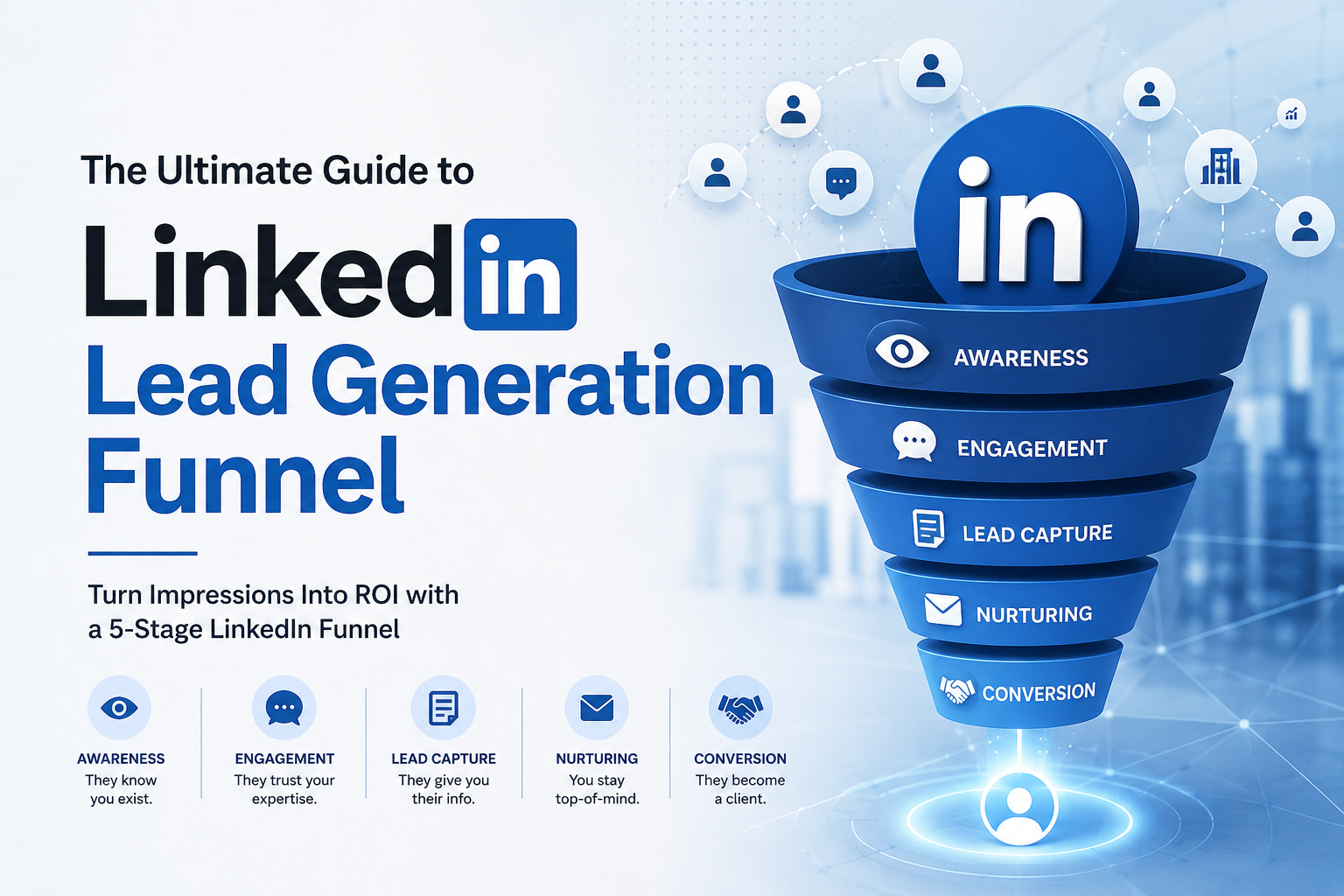


What Is B2B Lead Generation and Why It Will Matters in 2025 And Beyond?
Why LinkedIn Is the Best Channel for B2B Lead Generation?
While platforms like Google Ads and email marketing remain useful, LinkedIn B2B lead generation stands apart for one key reason: INTENT. Users on LinkedIn are there to learn, grow, and buy.
LinkedIn offers unmatched targeting precision — by industry, seniority, company size, and even recent job activity. That means you can reach the exact decision-makers you want: CEOs, CMOs, and procurement heads who actually control budgets.
A HubSpot study found that LinkedIn generates three times more conversions than any other social platform for B2B businesses. The takeaway is simple , if you’re serious about scaling your business in 2025 and beyond, LinkedIn isn’t optional. It’s essential. Check out this 5 Proven LinkedIn Tactics for Effective B2B Lead Generation in 2025.
1. Optimize Your Company and Personal Profiles for B2B Lead Generation
Your LinkedIn profiles are often your first impression. Before responding to a message or considering your offer, prospects will visit your page. If it’s generic or incomplete, you lose credibility instantly.
Company Page Optimization
Suppose you run a digital marketing agency then your company page should communicate clarity and authority. Start with a banner that expresses your core value proposition — for example:
“Helping companies grow through data-driven marketing and automation.”
Your tagline should follow a benefit-first structure:
[Service] + [Outcome] + [Audience]
Example: “Performance marketing for businesses looking to scale smarter.”
In your “About” section:
- 1. Address the problem your audience faces.
- 2. Explain your solution and results (use real metrics).
- 3. Add a call-to-action such as “Book a Free Consultation.”
- 4. Integrate relevant keywords like Performance marketing, LinkedIn marketing, and Email marketing naturally.
Use the Featured section to showcase proof — case studies, video testimonials, and key metrics. A page that demonstrates credibility builds instant trust.
Personal Profile Optimization
For a founder, your personal profile is your conversion tool. Buyers connect with people, not brands.
- 1. Use a headline that communicates value, e.g., “Helping businesses generate predictable leads through LinkedIn.”
- 2. Craft your “About” section like a micro landing page — who you help, how you help, and get measurable results.
- 3. Use keywords like how to do B2B lead generation, LinkedIn B2B marketing, and B2B lead generation strategies naturally.
The truth is, credibility sells faster than creativity. A well-optimized LinkedIn profile does half your selling before you even send a message.
2. Build a Targeted Audience and Use Personalized Outreach Workflows
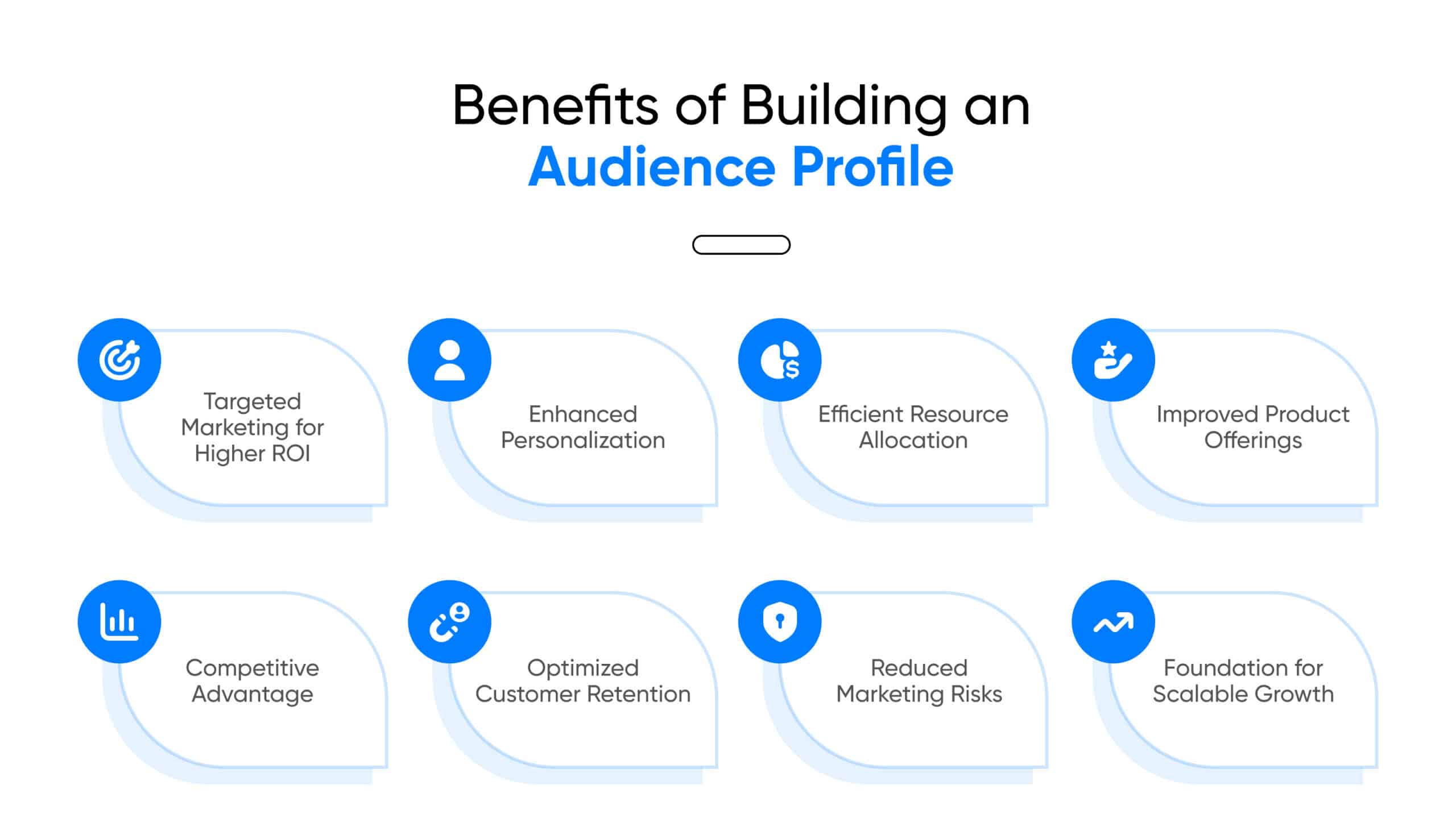
Successful B2B lead generation begins with knowing who to target — and reaching them with precision.
Start by defining your Ideal Customer Profile (ICP):
- 1. Company size
- 2. Industry or niche
- 3. Location
- 4. Decision-maker roles
- 5. Pain points
Using LinkedIn Sales Navigator, you can build lists that match this profile exactly. Save searches and monitor engagement to identify warm prospects before initiating outreach.
Once you’ve built your audience, follow a structured three-step process:
- 1. Personalized connection request — Mention a shared interest or recent post.
- 2. Value-first message — Offer an insight, resource, or case study relevant to their business.
- 3. Follow-up — After a few days, ask an open question related to their challenges.
A great example comes from Netpeak, a digital marketing agency that executed a 6-month outreach campaign. They sent 6,642 messages, achieved 1,724 responses (26% response rate), and booked 98 meetings — all organically. The secret? Personalized messages and genuine intent to add value.
Many founders fall into the trap of automating outreach. While tempting, it often damages your brand’s credibility. A few personalized conversations a day will always outperform hundreds of generic cold DMs.
Interestingly, the most successful founders often do the opposite of what’s expected: they prioritize relationship depth over message volume. And it works — every single time.
3. Create High-Performing Content and Engagement Posts for B2B Prospects
On LinkedIn, content isn’t just for visibility — it’s for credibility. Consistent posting builds familiarity, and familiarity builds trust — the foundation of effective B2B lead generation.
To attract leads organically:
- 1. Share educational posts that teach something specific.
- 2. Post client stories that highlight real results.
- 3. Use carousels to simplify complex ideas visually.
- 4. Write short, conversational posts about lessons or industry shifts.
A consulting firm that shared weekly “behind-the-project” posts saw a 150% increase in inboundleads over two months. Why? Transparency and storytelling resonate far more than promotional content.
If you’re wondering what to post, focus on:
- 1. Insights from your client work
- 2. Industry trends and contrarian takes
- 3. Common mistakes B2B teams make
- 4. Frameworks or checklists founders can apply immediately
LinkedIn rewards engagement. So when people comment, reply thoughtfully — it signals value to the algorithm and boosts your post visibility.
Consistency trumps volume. Two strong posts a week that spark dialogue outperform five posts that feel like sales pitches. Every comment and post is a micro-conversation — and every conversation is a potential lead.
4. Leverage LinkedIn Ads and Lead Gen Forms to Scale Qualified Leads
Organic content builds awareness; paid campaigns scale it. If you want predictable growth, LinkedIn Ads are a powerful complement to organic efforts.
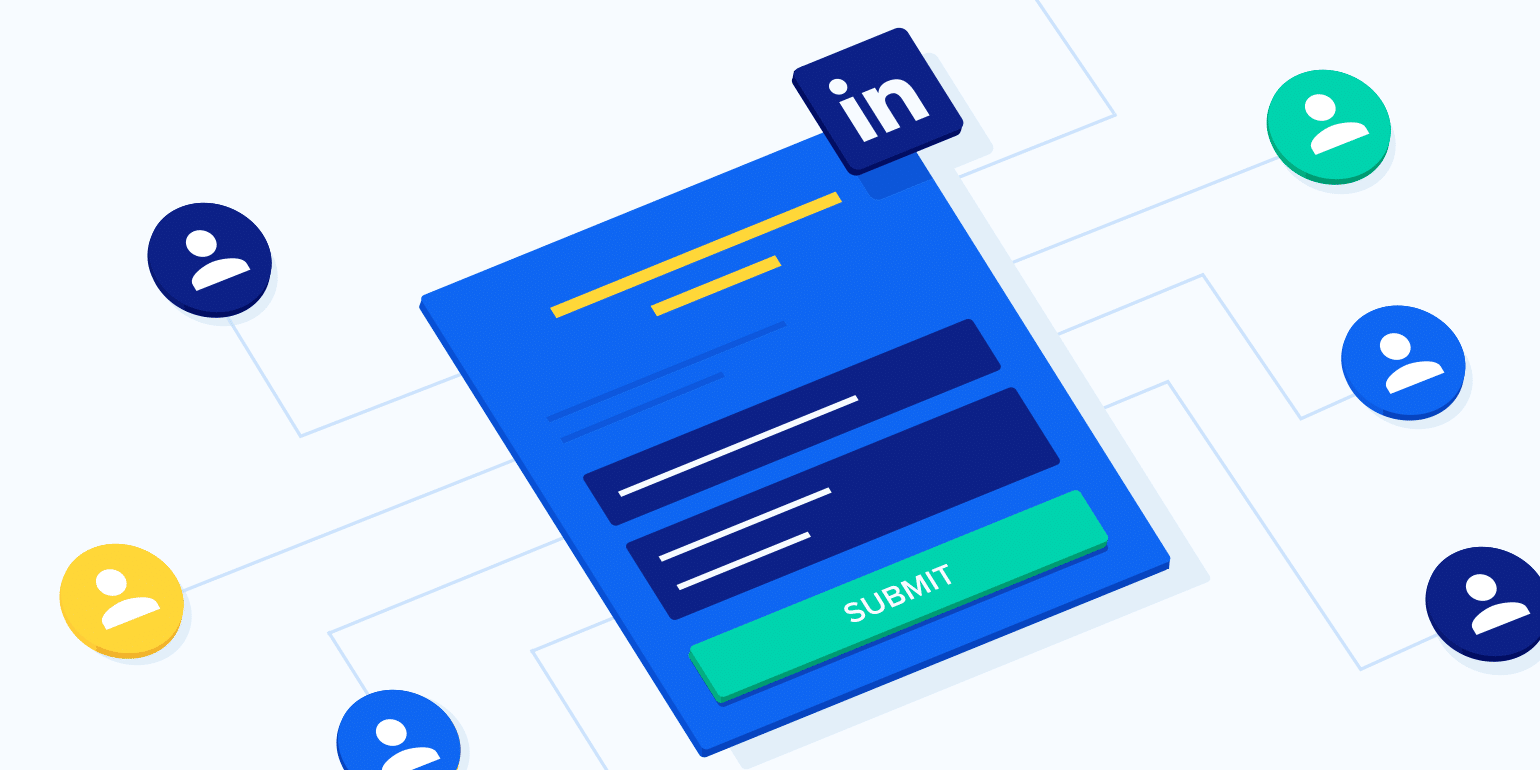
Start with Lead Gen Forms, which allow prospects to submit their info without leaving LinkedIn — frictionless and fast. Offer something valuable, such as “The Lead Gen Playbook” or “LinkedIn Outreach Template Pack.”
Then test Sponsored Content to promote case studies or educational assets. Keep your audience targeted — founders, marketing leaders, or buyers in your niche.
The key is quality targeting and creative relevance. One U.S.-based company, MobyCap, used LinkedIn Ads to optimize their lead generation funnel. The result:
- 800% increase in qualified leads
- 1,733% boost in conversions
- 82% reduction in cost per conversion
The lesson? When your ads align with buyer pain points and you measure what matters, results follow quickly.
Many founders focus too heavily on vanity metrics like impressions or clicks. But true success lies in tracking conversion quality — leads that move through your sales funnel, not just fill out forms.
5. Measure, Nurture, and Align with Sales for True Pipeline Growth
The final piece of an effective B2B lead generation strategy is integration — making sure marketing, nurturing, and sales align around a shared goal which is revenue.
Track these 3 essential metrics:
- 1. CPL (Cost Per Lead)
- 2. MQL to SQL conversion rate
- 3. Pipeline value and ROI
Use reliable B2B lead generation tools like HubSpot, Zoho, or Apollo to automate tracking and see every lead’s journey from first contact to close. Sync LinkedIn form fills automatically to your CRM for instant follow-up.
Follow up within 24 hours of lead capture. Studies show that quick responses can double your conversion rate. Use remarketing and email nurturing to re-engage leads who didn’t convert immediately — sometimes timing is all it takes.
One overlooked advantage is feedback loops. Sales teams can provide insights on why certain leads didn’t close, which helps refine targeting and messaging for future campaigns. That alignment transforms LinkedIn B2B lead generation from a marketing effort into a revenue machine.
Founders who treat LinkedIn as an evolving system — not a one-time campaign — build sustainable, compounding growth.
Emerging LinkedIn Trends for B2B Lead Generation in 2025
LinkedIn continues to evolve, and so should your strategy. Key trends shaping B2B lead generation in 2025 include:
- 1. AI-powered personalization for outreach and ad copy.
- 2. LinkedIn Newsletters to maintain regular touchpoints with your audience.
- 3. LinkedIn Live sessions to host industry discussions or product demos.
- 4. Short-form video content that simplifies your value proposition quickly.
Founders who adopt these early will stay ahead — because attention always shifts to where innovation happens first.
Conclusion
If you’re a business founder in 2025, mastering LinkedIn B2B lead generation isn’t optional — it’s how you stay competitive. By optimizing your profiles, connecting intentionally, publishing authentic content, leveraging ads wisely, and aligning sales with marketing, you can build a lead generation engine that scales with predictability.
You don’t need a massive ad budget or a large team — you need a smart, consistent strategy built on trust and value. Every connection, every comment, and every conversation on LinkedIn is a potential opportunity — if you approach it with intent.
At Digitally Bugged, we help b2b businesses design and execute data-driven b2b lead generation systems that deliver real, measurable results. If you’re ready to turn your LinkedIn into your top-performing sales channel, let’s talk.
FAQs
1. What is B2B lead generation?
It’s the process of attracting and converting other businesses into clients using channels like LinkedIn, ads, and outreach.
2. How to do B2B lead generation on LinkedIn?
Optimize your profiles, identify your target audience, use personalized outreach, publish valuable content, and run LinkedIn Lead Gen Ads.
3. What are the best tools for B2B lead generation?
LinkedIn Sales Navigator, HubSpot, and Apollo.io are some of the top tools for B2B lead generation in 2025.
4. What are the best B2B lead generation methods for 2025?
A mix of organic content, personalized engagement, and AI-enhanced LinkedIn ads works best.
5. How much do B2B leads cost on LinkedIn?
Typically between $50–$200 per qualified lead, depending on targeting and industry.

Founder at Digitally Bugged