

What Is Lead Nurturing?
At its simplest, what is lead nurturing? It is the act of building a relationship. Think of it like a professional friendship. You wouldn’t ask a B2B prospect to sign a five-figure contract five minutes after they meet you.
In the context of the buying journey stages, nurturing is the support you provide while a prospect moves from “I have a problem” to “I found the solution.” It involves sending the right information at the right time. This might mean an educational blog post today and a detailed case study three weeks from now.
A critical part of this is the link between lead nurturing and lead scoring. While nurturing keeps the conversation going, scoring helps you understand how “warm” the lead is. By looking at how they interact with your content, you can see who is just browsing and who is actually getting ready to make a decision.
Why Lead Nurturing Matters in B2B
In B2B, sales cycles are long and decision-makers are many. You aren’t just selling to one person; you are often selling to a whole committee. This is why lead nurturing is important. If you don’t stay in front of these people, your competitors will.
Nurturing helps improve your pipeline velocity. This helps leads move through your sales process faster. When a prospect is nurtured, they enter the sales conversation already trusting your expertise. They don’t need a hard sell because you have already proven your value.
Additionally, lead nurturing in digital marketing allows you to stay relevant. In 2026, buyers are doing more research than ever before. They might visit your site five or six times before they even talk to a human. If you don’t have a lead nurturing program in place, you are essentially leaving your revenue to chance.
Lead Nurturing Stages & How They Work
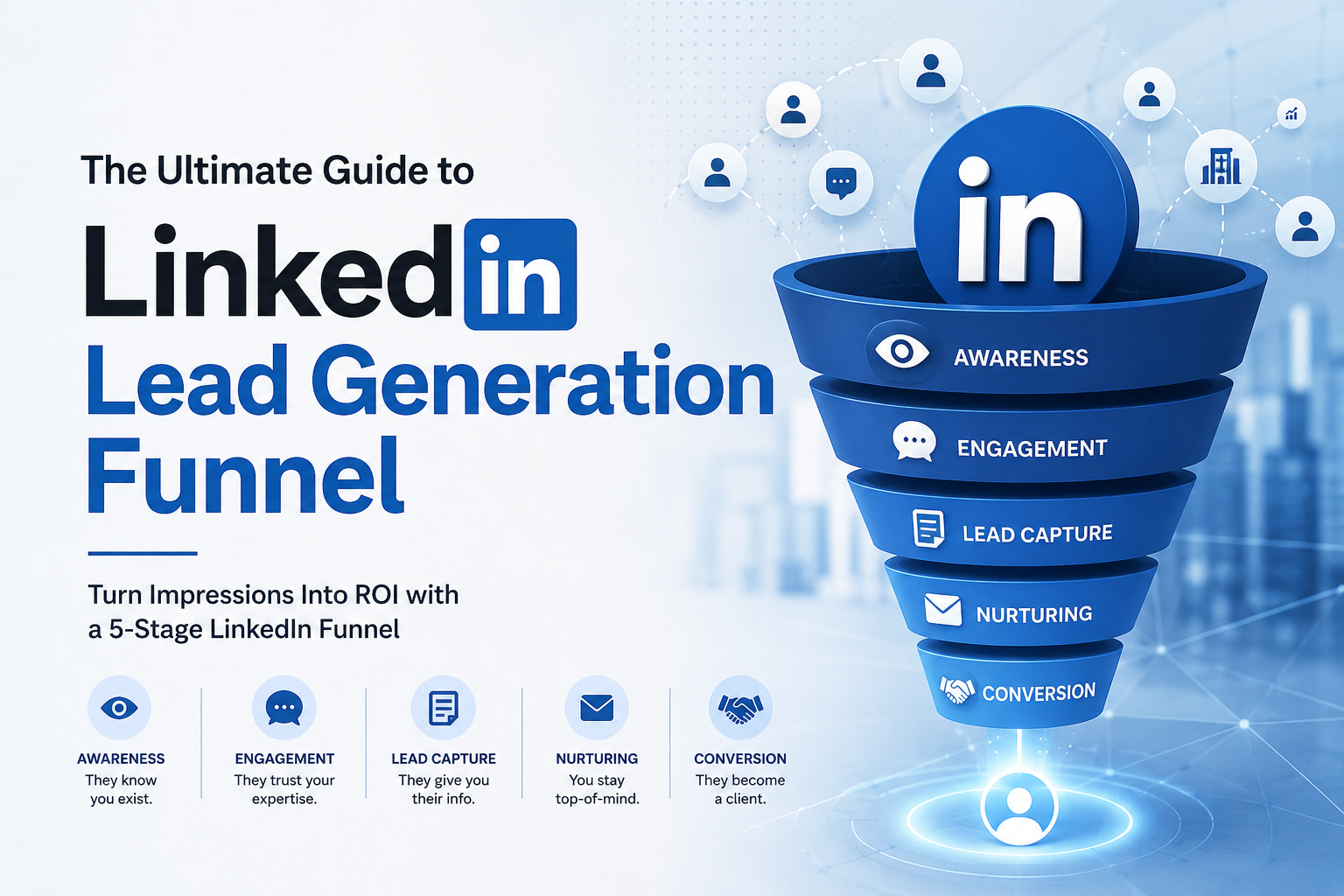
To do this right, you need to understand the different lead nurturing stages. You can’t treat every lead the same way. Their needs change as they move closer to a purchase.
- 1. Awareness: The prospect has a problem but doesn’t know how to solve it. Use nurture sequences that focus on education and helpful tips.
- 2. Education: They are looking for specific ways to fix their issue. Share guides or checklists.
- 3. Consideration: They are comparing you to others. This is the stage for case studies and “how we work” content.
- 4. Decision: They are ready to pick a partner. Your sales follow up cadence should focus on demos, audits, or trials.
- 5. Loyalty: After they buy, continue the relationship to encourage renewals and referrals.
Many companies manage these steps using nurturing workflows in CRM. These are automated “rules” that tell your system what to do next. For example, if a lead clicks on a link about SEO, the CRM can automatically send them more info on that topic. This keeps your communication relevant without requiring you to hit “send” manually every time.
Lead Nurturing vs Lead Scoring vs Follow-Up
People often use these terms interchangeably, but they are different tools in your kit.
- 1. 1. Lead Nurturing: The long-term strategy of staying helpful and top-of-mind.
- 2.2. Lead Scoring: A lead nurturing system that assigns points to leads based on their actions (like opening an email or visiting a pricing page).
- 3.3. Follow-Up: A specific, often one-time action taken by a sales person to move a lead forward.
Think of it like this: Lead scoring tells you when a lead is “hot.” Lead nurturing is what you do to get them to that. A follow-up is what happens once they are finally ready to talk.
Why B2B Leads Go Cold
Leads don’t usually go cold because they lose interest in the problem. They go cold because they lose interest in you. Often, it’s because the content they receive feels like “spam” rather than “helpful.”
If your buying journey stages aren’t mapped correctly, you might be sending “buy now” emails to people who are still trying to understand the basics. This creates a disconnect. Another major reason why lead nurturing is important is timing. If your sales follow up cadence is too slow, the prospect will find someone else who is more responsive. If it’s too aggressive, they will block you. It is a delicate balance.
B2B Lead Nurturing Strategies That Convert
Here are seven practical b2b lead nurturing strategies that you can use to get real results.
Strategy 1: Map Content to Buyer Intent
Don’t guess what your prospects want. Look at their behavior. If someone is reading about “how to scale a team,” they are in an early stage. If they are looking at “pricing for enterprise,” they are near the end. A strong lead nurturing strategy matches the message to the intent.
Strategy 2: Create “Helper” Email Sequences
Your lead nurturing emails should not be sales pitches. They should be “value adds.” Send a link to a relevant news article, a template they can use, or a video explaining a complex concept. The best b2b nurture emails are the ones that make the prospect’s job easier.
Strategy 3: Education-First Marketing
In lead nurturing in digital marketing, the teacher always wins. If you can teach your prospect something they didn’t know, you earn their trust. Use b2b lead nurturing tactics like hosting small webinars or sending “deep dive” industry reports via a b2b email nurture campaign.
Strategy 4: Multi-Channel Follow-Ups
Don’t just stick to the inbox. A modern lead nurturing program involves different touchpoints. This might be a LinkedIn comment, a helpful email, and a retargeting ad on Google. A varied sales follow up cadence keeps you visible without being annoying.
Strategy 5: Use Smart Automation
Manual follow-up is impossible at scale. Use b2b lead nurturing automation to handle the heavy lifting. Nurturing workflows in CRM allow you to set “if/then” scenarios. If a lead hasn’t opened an email in ten days, send them a follow-up automatically.
Strategy 6: Build Trust With Social Proof
A lead nurturing system should constantly remind the prospect that you are reliable. Include testimonials, logos of current clients, or short quotes from happy customers in your b2b nurture campaign. It builds confidence behind the scenes.
Strategy 7: Watch Your Data
A lead nurturing process is never “finished.” You must look at your pipeline velocity and conversion rates. If people are dropping off at a certain stage, change the content for that stage. Small tweaks lead to big gains.
Lead Nurturing Content Formats That Work
To keep your lead nurturing emails fresh, you need to mix up the format. Nobody wants to read five text-heavy emails in a row.
| Content Type | Best Stage | Why it Works |
| How-To Guides | Awareness | Solves a small problem immediately. |
| Case Studies | Consideration | Proves you have done it before. |
| Video Demos | Decision | Shows exactly how the product works. |
| Checklists | Education | Easy to use and very helpful. |
The best b2b nurture emails often include a mix of these. For example, your lead nurturing email campaign might start with a checklist and end with a case study.
How to Build a Lead Nurturing Workflow
Building a lead nurturing program doesn’t have to be complicated. Here is a simple 5-step lead nurturing plan:
- 1. Define your Audience: Who are you talking to? What keeps them up at night?
- 2. Audit your Content: What do you already have? What do you need to write?
- 3. Set the Triggers: Decide what starts the lead nurturing process (e.g., a white paper download).
- 4. Map the Cadence: How often will you reach out? (e.g., Day 1, Day 4, Day 10).
- 5. Review and Refine: Use your lead nurturing system data to see what’s working.
Tools and CRM for Nurturing
In 2026, you have plenty of options for b2b lead nurturing automation. For larger companies, HubSpot and Salesforce are great. For SMEs or brands in the Indian market looking for value, Zoho CRM or Freshsales are excellent choices.
If you need more specialized lead nurturing services, you can look at tools like Mailchimp or Lemlist. These tools make it easy to manage nurturing workflows in CRM and ensure your emails actually land in the inbox, not the spam folder.
Expert Tips & Best Practices
To succeed with your lead nurturing strategy, keep it human. Avoid using overly corporate jargon. Instead, use these b2b lead nurturing best practices:
- 1. Write like you talk: Use simple sentences.
- 2. Focus on them, not you: Count how many times you say “we” versus “you.” The “you” count should be higher.
- 3. Give before you ask: Don’t ask for a meeting until you have provided at least three pieces of value.
- 4. Be consistent: Don’t go dark for a month and then send three emails in one day.
These b2b lead nurturing tactics will make your brand feel like a helpful partner rather than just another vendor.
Conclusion
Converting B2B prospects is a marathon, not a sprint. By focusing on a solid lead nurturing strategy, you are investing in the long-term health of your business. It’s about building a bridge of trust that leads the prospect straight to your door when they are finally ready to buy.
At Digitally Bugged, we believe that the best marketing is helpful marketing. We can help you build a lead nurturing program that feels authentic and drives results. From setting up your nurturing workflows in CRM to writing the best b2b nurture emails, we handle the strategy so you can focus on closing deals.
FAQs
1. What is lead nurturing?
Lead nurturing is the process of staying in touch with potential customers by providing helpful, relevant information over time until they are ready to make a purchase.
2. Why is lead nurturing important in B2B?
Since B2B decisions take time and involve many people, lead nurturing ensures your brand stays top-of-mind and builds the trust needed to win the contract.
3. What are the stages of lead nurturing?
The main lead nurturing stages are Awareness, Education, Consideration, Decision, and Post-purchase loyalty.
4. How does lead nurturing work?
It works by using a lead nurturing system (like a CRM) to send automated messages based on a prospect’s behavior, ensuring they get the right info at the right time.
5. What is a lead nurturing strategy?
A lead nurturing strategy is your roadmap. It defines who you are targeting, what content you will send, and how often you will contact them to turn them into a customer.